
Which HVAC System Is Best for Your Home? Expert Troubleshooting & Maintenance Guide
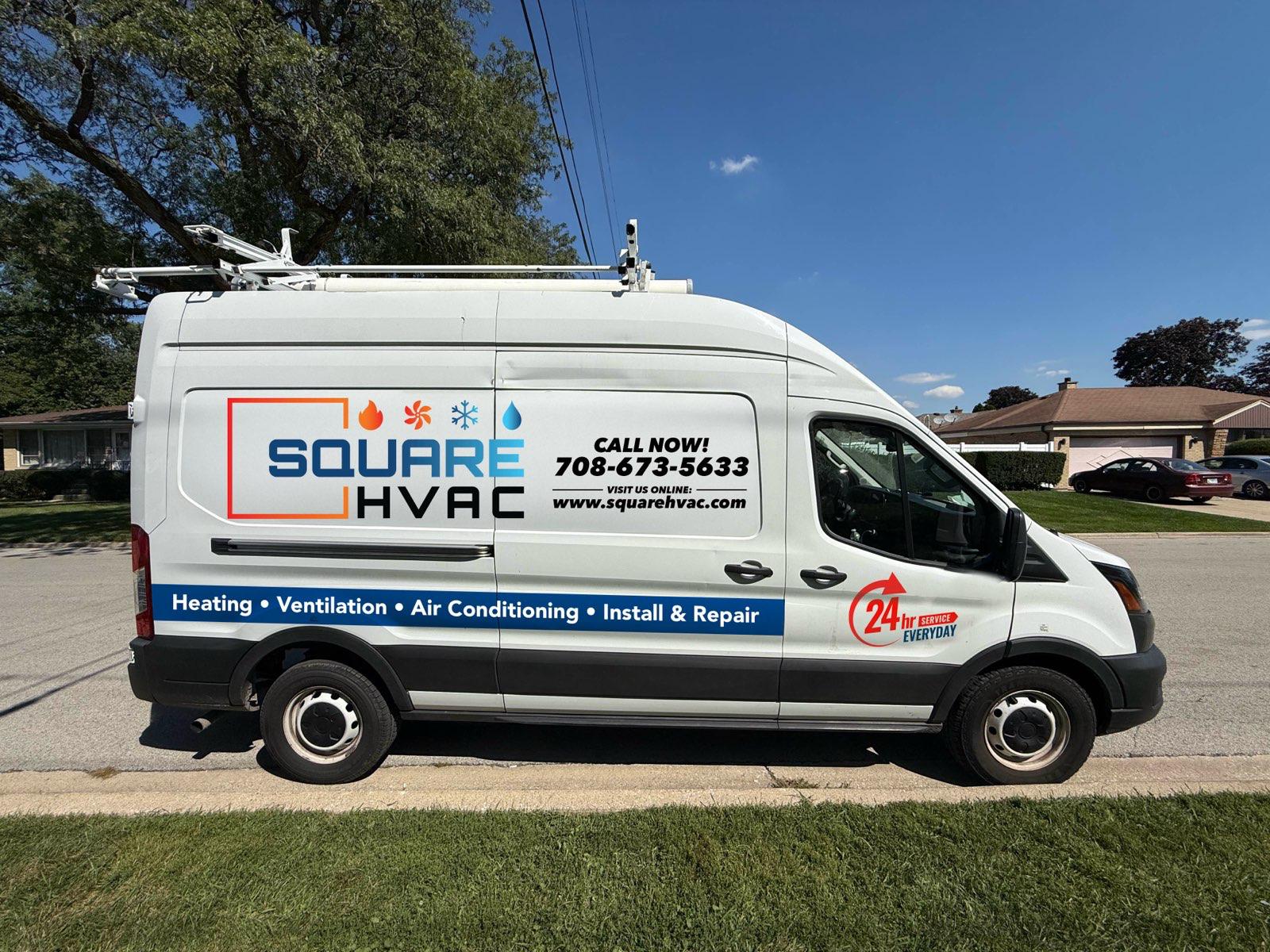
There’s nothing worse than waking up shivering in the middle of the night because your heating gave out. Suddenly, you’re googling “hvac repair near me” at 2 AM, wondering if you need a whole new system.
Here’s the truth: The best HVAC system isn’t just about the brand—it’s about how well you maintain and troubleshoot it.
In this guide, I’ll walk you through exactly which heating setup works for different homes, how to fix the most common issues yourself, and when to call in the pros. By the end, you’ll know whether a furnace, heat pump, or boiler is right for you—and how to keep it running like new.
Why This Matters: Your Comfort (and Wallet) Are on the Line
A neglected heating and cooling system doesn’t just make you uncomfortable. It drives up energy bills, shortens equipment life, and can even create dangerous situations like carbon monoxide leaks.
Most homeowners wait until something breaks. Smart homeowners troubleshoot early.
Let me show you how to be the smart one.
First: Which HVAC System Is Actually Best for Your Home?
Before we dive into fixes, let’s match the right equipment to your situation. Because the “best” system for a drafty farmhouse is very different from one for a modern apartment.
| Home Type | Best HVAC System | Why It Wins |
|---|---|---|
| Small home / mild climate | Heat pump (ductless mini split) | No ductwork needed; heats and cools; ultra-efficient |
| Large home / cold winters | Gas furnace + AC | Powerful heating; lower fuel costs in freezing temps |
| No existing ducts | Ductless mini split | Easy installation; zone control; quiet |
| All-electric home | High-efficiency heat pump | Works with solar; lower carbon footprint |
| Older home with radiators | Boiler + hydronic heating | Even, radiant warmth; compatible with old pipes |
Pro tip: If you’re replacing an old system, always get a load calculation (Manual J) from a certified hvac contractor. Guessing leads to oversized or undersized units—both waste money.
10 Expert HVAC Troubleshooting Tips (Fix Heating Issues Fast)
Now let’s get your current system working again. Follow these steps in order—most heating problems are simpler than you think.
1. Schedule Professional Maintenance (Yes, Every Year)
I know, it feels like an upsell. But skipping annual tune-ups is the #1 reason heating and cooling contractors see premature breakdowns.
- What a pro does: Checks refrigerant, cleans coils, tests safety controls, lubricates moving parts.
- When to book: Late summer or early fall, before the first cold snap.
- Cost vs. repair: A $150–200 inspection beats a $2,000 emergency repair.
2. Perform Routine Maintenance Yourself
You don’t need a degree in heating ventilating and air conditioning to do the basics.
- Clean or replace air filters every 1–3 months. A clogged filter is the #1 cause of airflow problems, short cycling, and frozen coils.
- Keep the area around outdoor units clear. Leaves, grass, and snow block airflow.
- Listen for strange sounds. Grinding, squealing, or banging means call a pro.
3. DIY Troubleshooting for Common Issues
Before you panic, check these three things:
- No heat at all? Look at your thermostat first (dead batteries or wrong setting).
- Weak airflow? Likely a dirty filter or blocked vent.
- Uneven heating? Closed dampers or a zoning system issue.
If you fix it yourself, great. If not, you’ve saved a service call fee by ruling out the easy stuff.
4. Double-Check Your Thermostat Settings
You’d be surprised how many “broken” heaters are just set wrong.
- Heat mode vs. Cool mode: Make sure it says “Heat,” not “Cool” or “Auto.”
- Fan setting: “Auto” is fine. “On” can blow cold air at startup.
- Programmable schedules: Did someone accidentally set a 50°F overnight setback?
Upgrading to a smart thermostat? Many hvac companies offer rebates on Wi-Fi models that learn your habits.
5. Replace Dirty Air Filters (Seriously, Do This First)
I’m repeating this because it’s that important.
A dirty filter restricts airflow, causing:
- Frozen evaporator coils (in heat pumps)
- Overheating (in furnaces)
- Short cycling (on/off every few minutes)
MERV rating guide: MERV 8–11 is perfect for most homes. Higher MERV can choke older systems.
6. Check for Vent Obstructions
Walk through every room. Move rugs, furniture, and toys away from supply and return vents.
- Supply vents blow heated air in.
- Return vents suck cold air back to the furnace.
Blocked returns starve the system of air. Result? Cold rooms and high energy bills.
7. Turn Off the AC During Heating Season
This sounds obvious, but dual-fuel systems (heat pump + furnace) can accidentally run both.
- On your thermostat: Ensure the system is set to “Heat,” not “Auto” or “Cool.”
- At the breaker: If you have a separate AC unit, you can shut off its outdoor breaker for winter.
Running both wastes electricity and confuses the control board.
8. Furnace Troubleshooting (Gas & Electric)
If you have a furnace, here’s your quick checklist:
| Symptom | Likely Cause | DIY Fix |
|---|---|---|
| Pilot light out | Draft or bad thermocouple | Relight per manual (if safe) |
| Blower runs, no heat | Ignitor or gas valve failed | Call for furnace repair near me |
| Yellow flame (gas) | Dirty burners | Professional cleaning needed |
| Frequent cycling | Dirty filter or oversized unit | Replace filter first |
Never bypass safety switches. If you smell gas, leave immediately and call your utility company.
9. Heat Pump Maintenance (Winter Edition)
Heat pumps are incredible—until they ice up.
- Normal: Frost on outdoor coils during defrost cycles.
- Not normal: A solid block of ice after 90 minutes.
What to do: Clear snow and leaves from the outdoor unit. Make sure the defrost sensor isn’t blocked. And never run a heat pump in “Emergency Heat” mode for days—that’s just expensive electric resistance heating.
10. Know When to Stop DIY and Call for HVAC System Repair
Pride is expensive. If you’ve tried the steps above and still have:
- No heat after 2 hours of troubleshooting
- Strange smells (rotten eggs, burning plastic)
- Water pooling under the unit
- Circuit breaker that won’t reset
…then it’s time to call a licensed hvac technician. Prompt repair prevents a full system replacement.
Key Benefits of Proactive HVAC Care
✅ Lower monthly energy bills (10–20% savings)
✅ Fewer emergency service calls (especially on weekends)
✅ Longer equipment life (15+ years for a well-maintained furnace)
✅ Better indoor air quality (clean filters trap pollen, dust, mold)
✅ Consistent temperatures room-to-room
Common Mistakes to Avoid (Even Smart Homeowners Make These)
- Ignoring small noises – That squeal today is a $500 bearing replacement next month.
- Closing too many vents – This increases static pressure and can crack your heat exchanger.
- Using the wrong filter – Too restrictive = low airflow. Too cheap = dirty blower wheel.
- Skipping professional maintenance – You save $200 now, but lose 2 years of system life.
Maintenance Best Practices (Seasonal Checklist)
Every month (heating season):
- Check and replace air filter as needed
- Ensure no vents are blocked
Every fall (before first freeze):
- Schedule professional tune-up
- Test thermostat and safety controls
- Clean outdoor unit (heat pump or AC)
As needed:
- Listen for new sounds or smells
- Monitor energy bills for unexplained spikes
Expert Insights: What HVAC Pros Wish You Knew
“Most of my emergency calls on Christmas Eve could have been prevented by a $20 air filter change in October.” — Mike, HVAC technician for 22 years
“Homeowners waste money on oversized units. Bigger is not better—it short cycles and leaves humidity high.” — Sarah, energy auditor
“The best time to replace an HVAC system is on a mild Tuesday in spring, not during a polar vortex.” — Carlos, heating and cooling contractor
FAQ: Your Heating Questions, Answered
Q1: How often should I really replace my air filters? A: Every 1–3 months. But if you have pets, allergies, or live in a dusty area, check them monthly. A clean filter is the cheapest ac maintenance you’ll ever do.
Q2: Can I troubleshoot my furnace without professional help? A: Yes, for basic issues: check the thermostat, pilot light, filter, and breaker. But for anything involving gas lines, refrigerant, or electrical boards—call a pro. Your safety matters more than saving a service fee.
Q3: What routine maintenance tasks can I perform for my HVAC system? A: Clean/replace filters, keep outdoor units debris-free, test your thermostat seasonally, and listen for odd noises. That’s 80% of what prevents breakdowns.
Q4: How do I know if my heat pump needs maintenance? A: Three red flags: 1) It runs constantly but doesn’t warm up. 2) Ice builds up on outdoor unit and won’t melt. 3) Your backup “emergency heat” keeps turning on. Call for heat pump repair if you see these.
Q5: Why is professional HVAC maintenance important if I already DIY? A: Because you can’t check refrigerant pressure, measure electrical draw, or inspect heat exchanger cracks yourself. A pro catches problems before they become $2,000 repairs. Think of it as a physical for your heating system.
Q6: Which is cheaper to run: a gas furnace or an electric heat pump? A: It depends on local utility rates. In mild climates, heat pumps are 2–3x more efficient. In very cold regions, gas is often cheaper. Ask your local hvac contractors for a fuel cost comparison.
Q7: My house has cold spots even though the heater works. What’s wrong? A: Could be leaky ducts, closed dampers, poor insulation, or an undersized system. Start with a blower door test (energy audit) to find air leaks.
Q8: How long should an HVAC system last? A: Furnaces: 15–20 years. Heat pumps & ACs: 10–15 years. Boilers: 20–30 years. Regular maintenance pushes these to the high end.
Conclusion: Your Next Step to a Warm, Efficient Home
You now know which hvac system is best for your home type, how to troubleshoot common heating failures, and exactly when to stop guessing and call a professional.
But knowledge without action is just trivia.
Here’s the truth: Your heating system won’t fix itself. And every day you wait, you risk a frozen pipe, a higher bill, or a complete breakdown on the coldest night of the year.
Ready to stop shivering and start saving?
Don’t let another cold night catch you off guard. Whether you need a quick ac repair, a full furnace replacement, or just a seasonal tune-up, our team of certified heating and cooling contractors is here to help.
📞 Contact us today for a honest, upfront diagnosis. We’ll help you choose the right system—and keep it running like new for years.
→ Get a Free Estimate & Book Your HVAC Service ←
Same-day service available. Family-owned. No overtime charges.