
Why Hiring a Certified HVAC Contractor in Illinois Ensures Year-Round Comfort
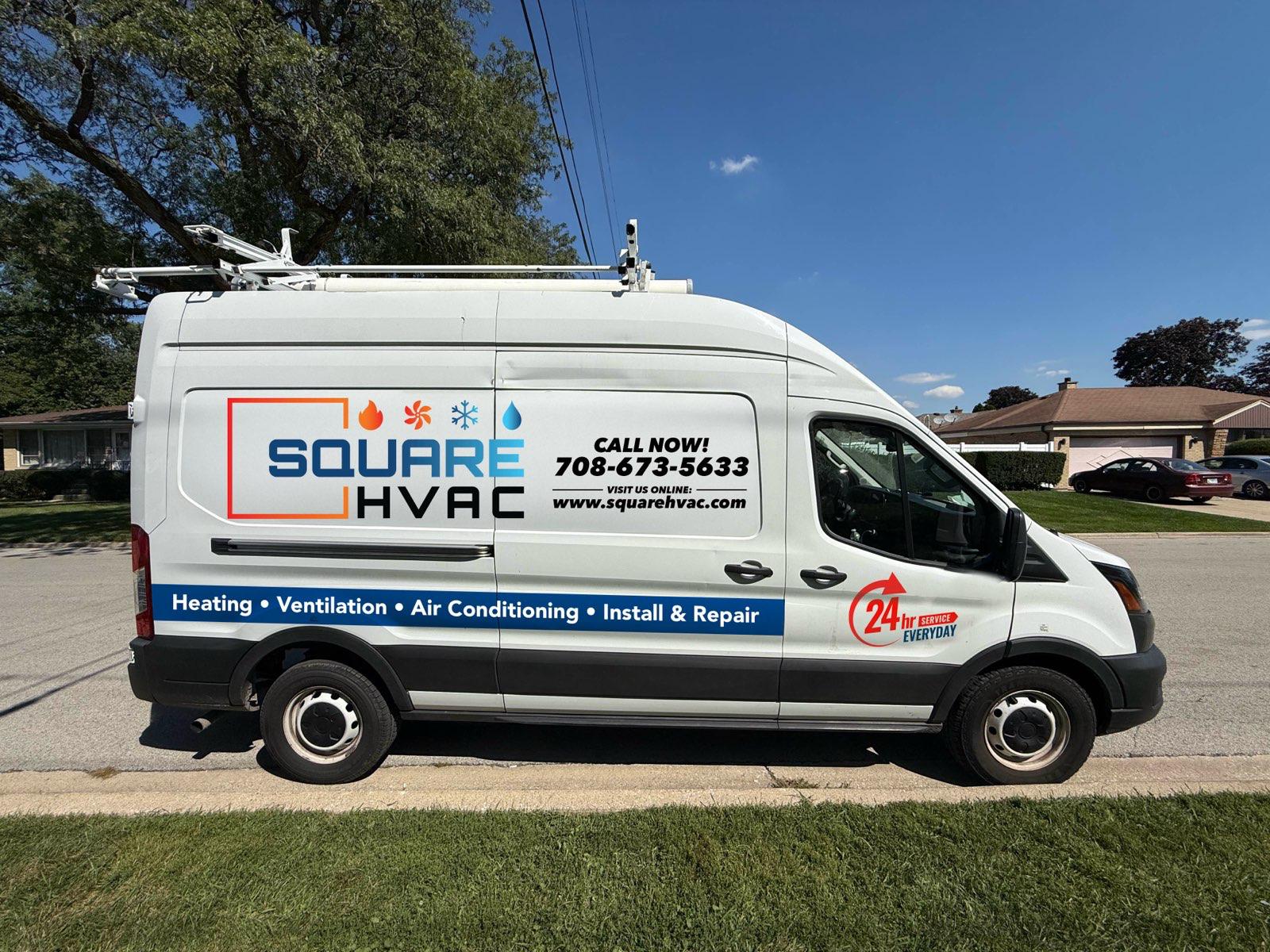
Your HVAC system is the heart of your home’s comfort—keeping you warm during brutal Illinois winters and cool through sweltering summer heat waves. When your furnace fails on a subzero January morning or your air conditioner quits during a July heatwave, you need more than just a quick fix. You need a certified HVAC contractor who understands Illinois climate demands and delivers reliable, year-round comfort.
While Illinois doesn’t require a statewide HVAC license, hiring a properly certified technician isn’t just a smart choice—it’s essential for your safety, your wallet, and your peace of mind. From EPA-certified refrigerant handling to NATE-verified expertise, certified professionals bring qualifications that unlicensed handymen simply can’t match.
Why This Matters: The Real Cost of Cutting Corners
Illinois homeowners face unique challenges. Our state’s temperature swings—from below-zero winters to 90°F+ summers—push heating and cooling systems to their limits. When you hire an unlicensed technician to save a few dollars, you’re gambling with:
- Safety risks: Gas leaks, electrical fires, and carbon monoxide exposure from improper installations
- Voided warranties: Manufacturer warranties often require certified technician service
- Code violations: Work that doesn’t meet local building codes can result in fines and mandatory re-dos
- Higher long-term costs: Shoddy repairs lead to repeated callbacks and premature system failure
The stakes are too high to trust your home comfort to anyone without proper credentials.
Understanding HVAC Certification in Illinois
No State License, But Strict Requirements Apply
Unlike plumbers, HVAC contractors in Illinois aren’t required to hold a statewide license . However, this doesn’t mean anyone can perform HVAC work legally. Here’s what matters:
Federal EPA Section 608 Certification is mandatory for any technician handling refrigerants—a federal requirement under the Clean Air Act that applies everywhere in the U.S. . This certification ensures technicians understand safe refrigerant handling, environmental protection, and proper recovery techniques.
Local Municipal Requirements vary by city:
- Chicago: Requires a General Contractor License for permitted HVAC work
- Springfield: Issues Residential and Commercial Mechanical licenses requiring 5-7 years experience and passing an ICC exam
- Peoria: Requires a Heating & Air Conditioning Contractor license with examination
- Rock Island: Mandates contractor registration, bonding, and insurance
Industry Gold Standards: NATE & Beyond
While not legally required, NATE (North American Technician Excellence) certification represents the industry’s gold standard . NATE-certified technicians have passed rigorous, nationally recognized exams covering core HVAC topics and specialties. This third-party verification ensures your technician has demonstrated competency, not just claimed it.
Additional valuable certifications include:
- HVAC Excellence: Employment-ready certification for technical proficiency
- ASHRAE: Advanced credentials for complex commercial systems
- Manufacturer Certifications: Brand-specific training from Carrier, Trane, Lennox, and others
Key Benefits of Hiring Certified HVAC Contractors
1. Safety First: Protecting Your Home and Family
HVAC systems involve high-voltage electricity, natural gas lines, and combustion processes. Certified technicians undergo extensive safety training to navigate these hazards without risking:
- Electrical shocks or fires from improper wiring
- Gas leaks leading to explosions or carbon monoxide poisoning
- Refrigerant exposure causing health issues
Professional HVAC companies carry liability insurance and workers’ compensation—protecting you from financial responsibility if accidents occur during service .
2. Right the First Time: Expert Diagnostics and Repairs
NATE-certified technicians demonstrate proven expertise in accurate problem diagnosis . This translates to:
- Fewer callbacks: Repairs done correctly the first time, saving you time and frustration
- Longer-lasting solutions: Proper fixes that extend system lifespan rather than temporary patches
- Comprehensive knowledge: Familiarity with all major brands and system types
When your furnace quits at midnight or your AC fails during a heatwave, you can’t afford trial-and-error repairs. Certified technicians bring the expertise to identify root causes quickly and implement lasting solutions.
3. Warranty Protection: Safeguarding Your Investment
Your HVAC system represents a significant investment—often $5,000 to $15,000 for a complete replacement. Manufacturer warranties typically require that certified professionals perform installations and repairs .
Hire an unlicensed technician, and you risk:
- Voiding your equipment warranty entirely
- Losing coverage for future parts failures
- Paying out-of-pocket for defects that should be covered
Certified contractors also provide workmanship guarantees, ensuring they’ll return to correct any installation issues at no additional cost.
4. Energy Efficiency: Lower Bills, Better Performance
Illinois homeowners face rising energy costs. A certified technician ensures your system operates at peak efficiency through:
- Proper sizing: Correct load calculations prevent oversized or undersized equipment that wastes energy
- Precision installation: Proper airflow, refrigerant charge, and duct sealing maximize performance
- Optimization: Calibration of thermostats, variable-speed components, and smart controls
According to the Indoor Air Quality Association, professional maintenance can reduce energy bills by up to 30% . Certified technicians have the training to identify efficiency opportunities that unlicensed operators miss.
5. Code Compliance and Permit Handling
HVAC installations often require permits and inspections. Certified contractors understand local building codes and handle the paperwork for you . This prevents:
- Project delays from permit issues
- Fines for unpermitted work
- Complications when selling your home
- Safety hazards from code violations
In Chicago, for example, mechanical work requiring permits must be performed by properly licensed contractors . Attempting DIY or hiring unlicensed help can result in failed inspections and costly rework.
Year-Round Comfort: How Certified Pros Keep You Covered
Winter Heating Excellence
Illinois winters demand reliable heating. Certified contractors ensure your furnace or heat pump delivers consistent warmth through:
- Pre-season tune-ups: Cleaning burners, checking heat exchangers, and testing ignition systems
- Emergency repairs: 24/7 availability when systems fail during cold snaps
- Safety inspections: Carbon monoxide testing and combustion analysis
Summer Cooling Reliability
When heat and humidity hit, certified technicians keep your air conditioning running through:
- Refrigerant management: EPA-certified handling to restore cooling capacity
- System optimization: Coil cleaning, airflow balancing, and thermostat calibration
- Heat pump expertise: Proper reversing valve operation for year-round systems
Spring and Fall Maintenance
The shoulder seasons are critical for preventative care. Certified contractors perform comprehensive inspections that catch small issues before they become expensive failures—ensuring you’re never caught off-guard when extreme weather arrives .
Common Mistakes to Avoid
❌ Hiring Based on Price Alone
The lowest bid often means corners cut on insurance, training, or quality. Unlicensed operators may offer cheap rates but leave you with safety hazards and voided warranties.
❌ Skipping Verification
Always verify certifications:
- Ask for EPA 608 certification proof
- Check NATE certification status online
- Confirm local licenses for your municipality
- Request certificates of insurance
❌ Ignoring Maintenance
Even the best installation requires regular care. Skipping annual maintenance leads to:
- 40% higher energy consumption
- Increased breakdown risk
- Shortened equipment lifespan
- Voided manufacturer warranties
Maintenance Best Practices for Illinois Homeowners
Schedule Bi-Annual Professional Tune-Ups
- Spring: AC inspection before cooling season
- Fall: Furnace check before heating season
Monthly DIY Tasks
- Change or clean air filters (30-90 day intervals)
- Clear debris from outdoor condenser units
- Check thermostat operation
Know When to Call a Certified Pro
Contact a certified contractor immediately if you notice:
- Unusual noises (grinding, squealing, banging)
- Inconsistent temperatures between rooms
- Sudden spikes in energy bills
- Strange odors (burning, gas, musty smells)
- System cycling on and off frequently
FAQ: Certified HVAC Contractors in Illinois
Q: Is a license required for HVAC work in Illinois? A: No statewide HVAC license exists, but EPA 608 certification is federally required for refrigerant work. Many municipalities, including Chicago, require local contractor licenses for permitted installations .
Q: What’s the difference between licensed and certified? A: “Licensed” typically refers to state or local government authorization to operate. “Certified” indicates completion of industry training programs (EPA, NATE, manufacturer). Both matter—certification proves expertise; licensing ensures legal compliance and insurance .
Q: Can I perform my own HVAC repairs? A: While you can change filters and clean units, refrigerant work, electrical repairs, and gas line work require EPA certification and professional expertise. DIY attempts often void warranties and create safety hazards .
Q: How do I verify a contractor’s credentials? A: Request their EPA certification number, check NATE certification at natex.org, verify local licenses with your city building department, and ask for certificates of insurance showing liability and workers’ compensation coverage.
Q: What should I expect to pay for certified HVAC service? A: While rates vary by region and job complexity, investing in certified service typically saves money long-term through proper repairs, warranty protection, and energy efficiency. Always get written estimates from multiple certified contractors.
Q: How often should I schedule professional maintenance? A: Twice yearly—spring for cooling systems and fall for heating systems. This prevents breakdowns during peak seasons and maintains efficiency .
Q: What certifications should I look for? A: At minimum, EPA 608 certification. For best results, seek NATE-certified technicians with additional manufacturer training for your specific equipment brand.
Conclusion
Your home’s comfort system is too important to trust to chance. While Illinois doesn’t mandate statewide HVAC licensing, federal EPA requirements and local municipal regulations ensure that certified professionals meet rigorous standards for safety, expertise, and accountability.
Hiring a certified HVAC contractor means:
- ✅ Protection for your family through safe, code-compliant work
- ✅ Preservation of your equipment investment through warranty compliance
- ✅ Lower energy bills through optimized system performance
- ✅ Peace of mind knowing the job was done right
Don’t wait for a breakdown to discover the value of certification. Whether you need emergency repairs, seasonal maintenance, or a complete system replacement, choose a certified professional who brings verified expertise to every job.
Ready to experience the difference certified service makes? Contact our team today to schedule your HVAC inspection, repair, or installation with EPA and NATE-certified technicians serving Illinois homeowners with pride.
Stay comfortable, stay safe, and trust the certified experts for all your heating and cooling needs.