
The Chicago Homeowner’s Complete Guide to Air Conditioning Unit Maintenance
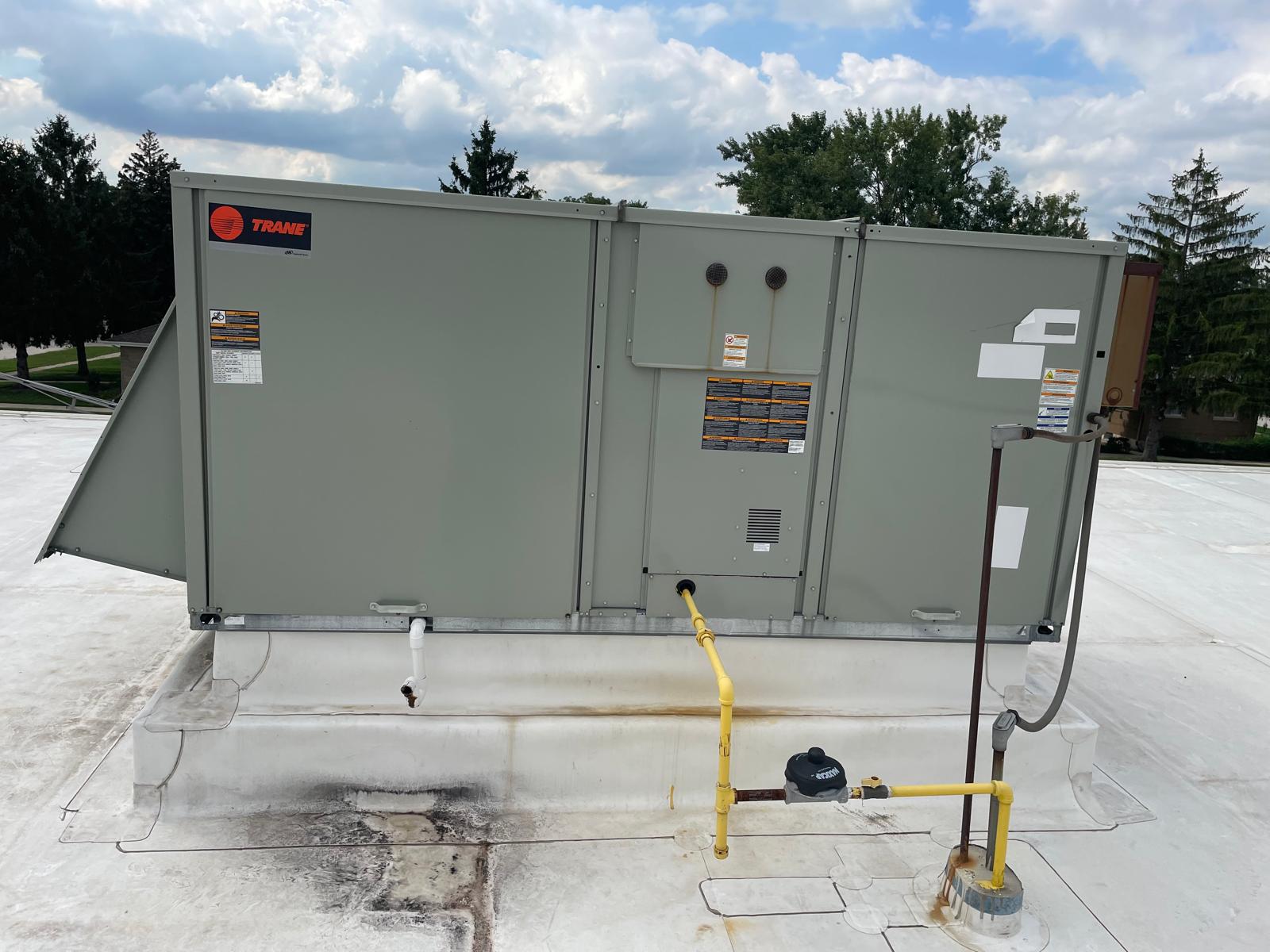
Living in Chicago means embracing weather that swings from polar vortexes to sweltering, humid heat waves—sometimes within the same week. Your air conditioning unit isn’t just a luxury here; it’s survival equipment. With summer humidity regularly exceeding 70% and heat indices climbing past 100°F during peak season , a well-maintained AC system becomes your first line of defense against Chicago’s notorious climate.
This guide cuts through the generic advice you’ll find everywhere and focuses specifically on what Chicago homeowners actually need to know: how our unique lake-effect humidity, dramatic temperature swings, and harsh winters impact your cooling system, and the maintenance strategies that actually work in this environment.
Understanding Chicago’s Unique AC Challenges
The Humidity Factor That Changes Everything
Here’s what most generic AC maintenance guides miss: Chicago’s humidity is arguably harder on your air conditioner than the heat itself. When the National Weather Service issues excessive heat warnings for the Chicago area, they emphasize that “it’s really the humidity where public health experts start to notice that there’s more of an impact” .
Your air conditioner faces the same challenge. When humidity levels spike to 80-90% during summer months, your AC must work overtime—not just cooling air, but extracting gallons of moisture daily . This dual burden means compressors run longer cycles, condensate drainage systems face increased clog risks, and evaporator coils can freeze if airflow becomes restricted .
The result? Energy consumption jumps 30-40% during peak humid periods compared to dry heat conditions , and systems without proper maintenance experience failure rates three times higher than well-maintained units .
The Freeze-Thaw Cycle Damage
Chicago’s dramatic temperature swings—sometimes varying by 50 degrees within a single week during transitional seasons—create unique stress patterns on AC components . While your unit sits idle during winter, sub-zero temperatures can damage outdoor components, and the expansion and contraction from freeze-thaw cycles stress refrigerant lines and electrical connections.
Seasonal Maintenance Calendar for Chicago Homes
Spring Preparation (April–May): The Critical Window
Chicago’s spring is deceptive. One day you’re scraping frost off your windshield; the next, you’re hunting for shorts. This unpredictability makes spring the most important maintenance window for your AC system.
Professional Inspection Checklist:
- Refrigerant level verification: Low refrigerant reduces efficiency and can damage compressors during those first surprise 85°F days in May
- Coil cleaning: Dirty coils force your AC to work harder, increasing energy bills and shortening system life—critical before humidity season hits
- Electrical connection tightening: Winter freeze-thaw cycles loosen connections; spring is when you discover the damage
- Thermostat calibration: Ensure accuracy before you actually need cooling
- Condensate drain line clearing: Use a stiff wire to prevent clogs that could cause water damage when summer humidity arrives
DIY Tasks:
- Replace or clean air filters (start fresh before heavy use)
- Clear a two-foot perimeter around your outdoor unit—remove leaves, branches, and winter debris
- Inspect the concrete pad beneath your outdoor unit; Chicago’s freeze-thaw cycles can crack foundations and tilt units
- Test run your system on a mild day before the first heat wave hits
Summer Operations (June–September): Surviving the Sweat Season
Once Chicago’s humidity kicks in, your maintenance strategy shifts from preparation to preservation.
Monthly Filter Changes: During extreme weather periods, replace filters every 30 days instead of the standard 90-day schedule . The combination of high runtime and Chicago’s urban air quality clogs filters faster than in moderate climates.
Humidity Management: Monitor indoor humidity levels. The ideal range is 40-50% . If your AC struggles to keep humidity down, consider a whole-home dehumidifier—especially crucial for basement-prone Chicago neighborhoods like Irving Park or Rogers Park .
Smart Thermostat Strategy: Set reasonable temperatures—mid-70s is what your system was built for. Pushing below 70°F during extreme heat can cause systems to freeze up, blocking airflow and triggering shutdowns . Smart thermostats optimize cooling based on occupancy and can adjust automatically to temperature spikes, reducing stress on your system .
Emergency Preparedness: During heat waves, when temperatures exceed 90°F for consecutive days, air conditioners may run continuously without reaching set temperatures . This prevents normal cycling that allows components to cool down. If your system runs non-stop for more than 24 hours, call a professional before compressor failure occurs.
Fall Transition (October–November): The Overlooked Season
Chicagoans often ignore their AC once temperatures drop, but fall maintenance prevents expensive spring surprises.
System Shutdown Protocol:
- Run your system one final time to dry out the evaporator coil completely—moisture left sitting over winter can cause mold growth
- Clean or replace the filter one last time
- Cover the outdoor unit with a breathable, manufacturer-approved cover to protect against ice, snow, and debris
- Critical exception: If you have a heat pump, do NOT cover the outdoor unit—it needs to operate for winter heating
Winterization Inspection:
- Inspect refrigerant lines for insulation damage from summer storms or wildlife
- Check electrical disconnects for corrosion
- Ensure drainage areas are clear to prevent ice dams
Winter Protection (December–March): Hibernation Management
While your AC sleeps, threats remain.
Monthly Visual Checks: Even during winter, inspect your outdoor unit after heavy snow or ice storms. Clear snow accumulation to prevent blocked airflow and ice formation that can damage fan blades and bend coil fins .
Pest Prevention: Chicago’s cold drives rodents to seek shelter. Ensure your cover fits properly and check for chewed wiring or nests before spring startup.
Chicago-Specific Maintenance Priorities
Addressing Lake-Effect Humidity Damage
The moisture removal burden on Chicago AC systems creates specific failure points:
Condensate Drainage: Clogged drains can reduce your unit’s ability to remove condensed water, causing equipment shutdowns or water damage from overflow . In Chicago’s humid climate, algae and mold growth in drain lines accelerates. Pour a cup of white vinegar down the drain line monthly during summer to prevent biological growth.
Evaporator Coil Care: The coil responsible for moisture removal needs special attention. Keep it clean to maintain cooling performance, and ensure adequate airflow to prevent freezing .
Ductwork Inspection: High humidity increases duct condensation risks. Check for water stains around vents and musty odors that indicate mold growth—particularly common in Chicago’s older housing stock .
Protecting Against Temperature Swing Stress
Chicago’s dramatic seasonal transitions stress HVAC components differently than stable climates:
Refrigerant Line Inspection: Check line insulation for cracks caused by expansion and contraction. Damaged insulation reduces efficiency and can cause line freezing.
Electrical Component Testing: Capacitors and contactors suffer from repeated thermal cycling. A professional should test these components during spring maintenance.
Compressor Health: The hardest-working component during Chicago’s humid summers needs oil level verification and electrical connection tightening before peak season .
When to Call a Professional vs. DIY
Homeowner Maintenance:
- Monthly filter changes
- Keeping outdoor units clear of debris
- Visual inspections for damage
- Thermostat programming
Professional Required:
- Refrigerant handling (federal law requires certification)
- Electrical testing and repair
- Coil cleaning (deep chemical cleaning)
- Heat exchanger inspection
- Ductwork sealing and repair
The U.S. Department of Energy recommends professional maintenance when your air conditioner fails to cool adequately, including checking refrigerant charge, testing for leaks, measuring airflow, verifying electric control sequences, and inspecting electric terminals .
Long-Term Strategies for Chicago Climate Resilience
When replacement time comes, select equipment specifically rated for extreme weather conditions:
Variable-Speed Systems: These adapt output to match exact cooling demands, reducing stress during temperature transitions and improving efficiency by up to 40% compared to single-stage units .
Enhanced Dehumidification Features: Look for systems with dedicated moisture removal modes for Chicago’s humid summers.
Cold-Weather Components: If using a heat pump, select models with enhanced cold-weather performance ratings that maintain heating capacity down to -15°F .
Surge Protection: Install HVAC-specific surge protectors to prevent damage from Chicago’s frequent thunderstorms and grid stress during extreme weather events .
The Bottom Line for Chicago Homeowners
Air conditioning maintenance in Chicago isn’t about following generic checklists—it’s about understanding how our unique climate brutalizes equipment differently than in other regions. The combination of lake-effect humidity, extreme temperature swings, and harsh winters creates a perfect storm of HVAC stress that requires proactive, season-specific maintenance.
The homeowners who thrive are those who treat their AC maintenance like winter car care: not optional, not reactive, but systematic preparation for predictable challenges. With professional biannual inspections, vigilant filter management, and attention to humidity-specific issues, your system can survive Chicago’s climate extremes while keeping your energy bills manageable and your home comfortable through even the most oppressive August heat waves.
Don’t wait for the first 90°F day with 80% humidity to discover your AC can’t handle the load. In Chicago, preparation isn’t just maintenance—it’s survival.